100% Mexican crafts
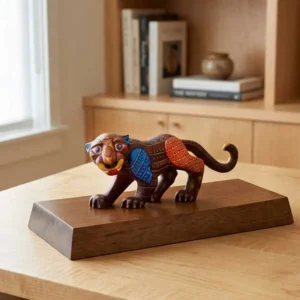
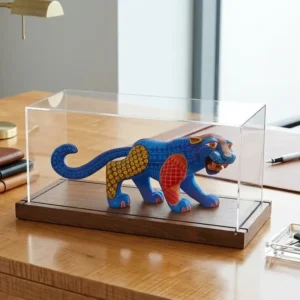
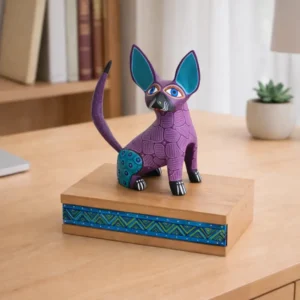
If you visited Mexico and among your souvenirs you took some craft in the shape of a pig with wings or a dog with six legs and that is also painted in many colors, but you don't know what it is... It's about the famous alebrijes! Learn here everything you need to know about this 100% Mexican craft. The alebrijes are a Mexican craft made that in its greatest expression is made of copal wood in Oaxaca. It is a fantastic figure that combines physiognomic elements of various animals, whether real or imaginary, and is characterized by being painted in vibrant colors.
What is an alebrije?
First of all, an alebrije is a Mexican craft made with the cardboard technique. It is a fantastic figure that combines physiognomic elements of various animals, whether real or imaginary. They are characterized by being painted in vibrant colors.
Pedro Linares and the Origin of the Alebrijes
One of the most well-known stories about its origin is that of Pedro Linares, who worked in the La Merced neighborhood near the national historic center, following the same tradition carried on by his father and grandfather. Some of his most common creations included papier-mâché objects such as piñatas, skeletons, masks, and figures for the burning of Judas.
When he was 30 years old, Linares fell ill and entered a deep sleep. During that time, he found himself wandering in his unconsciousness through a strange forest, encountering colorful creatures. Among them he was visited by a donkey with wings, a lion with a dog’s head, and even a rooster with bull’s horns! These beings always repeated the same word to him: alebrijes. After his recovery, he returned to work and decided to use his skills as a craftsman to replicate those creatures.
Although its origin comes from Mexico City, several states began creating their own versions with more durable materials and exceptional quality. Such is the case of Veremundo from San Pedro Taviche, Oaxaca, who combined the local tradition of carved wooden crafts with regional patterns and vibrant colors.
In Oaxaca, alebrijes are made from copal wood and are inspired by the idea of the nahuales. A nahual is seen from two perspectives: a mythological or supernatural being with the ability to transform into an animal; an element of nature associated with witchcraft; or the spiritual connection between a person and an animal, being the ultimate protector and guide.
Currently, there are communities that specialize in the creation of carved wooden figures: San Pedro Taviche, San Antonino Arrazola, San Martín Tilcajete, and La Unión Tejalapam. The mastery of these regions gives life to a wide variety of styles; while at Tayaupa we focus on the development of projects and representative pieces at a corporate level, if you are a collector seeking author works from these emblematic workshops, we invite you to visit the gallery of Premium Wooden Alebrijes in Orgullo Mexicano.
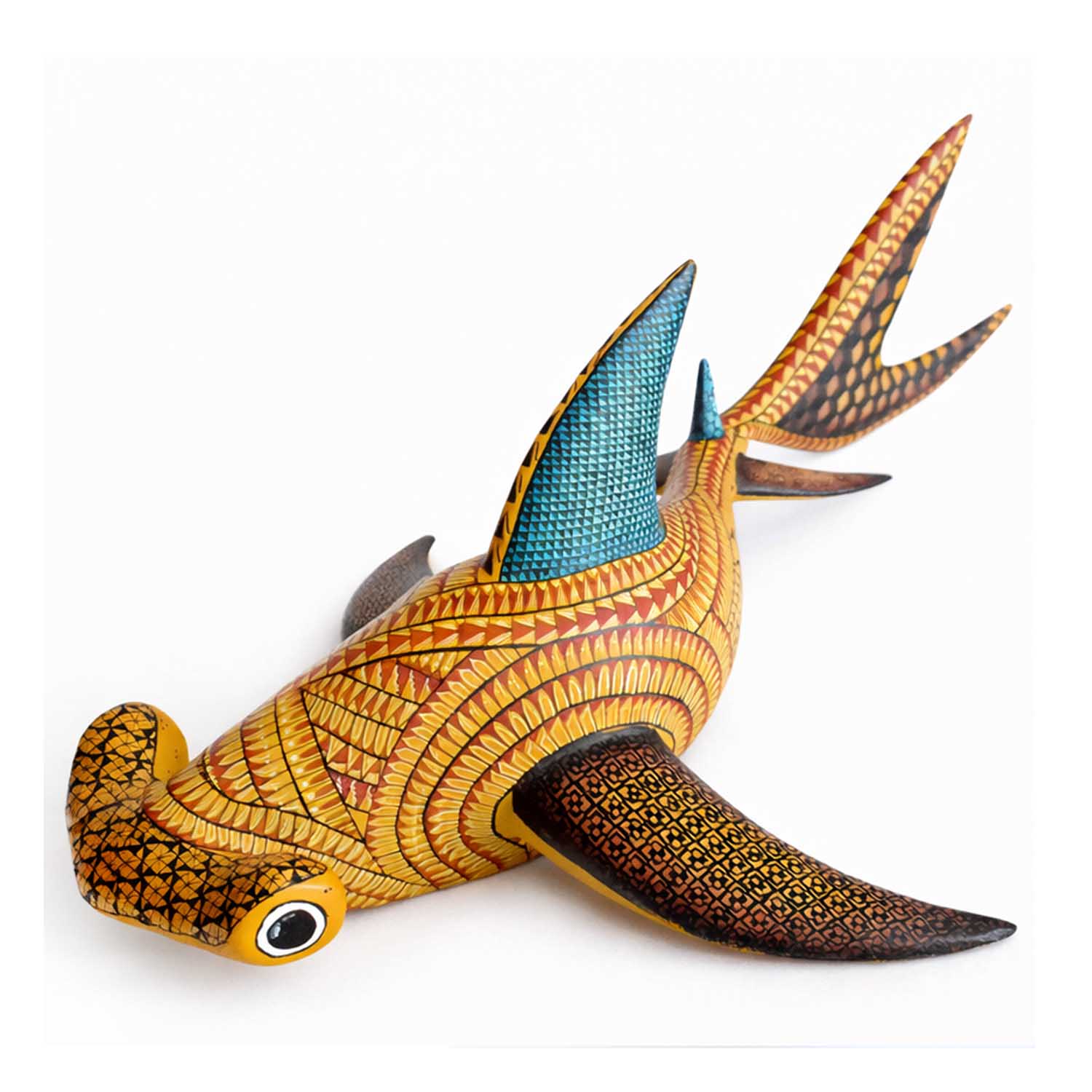
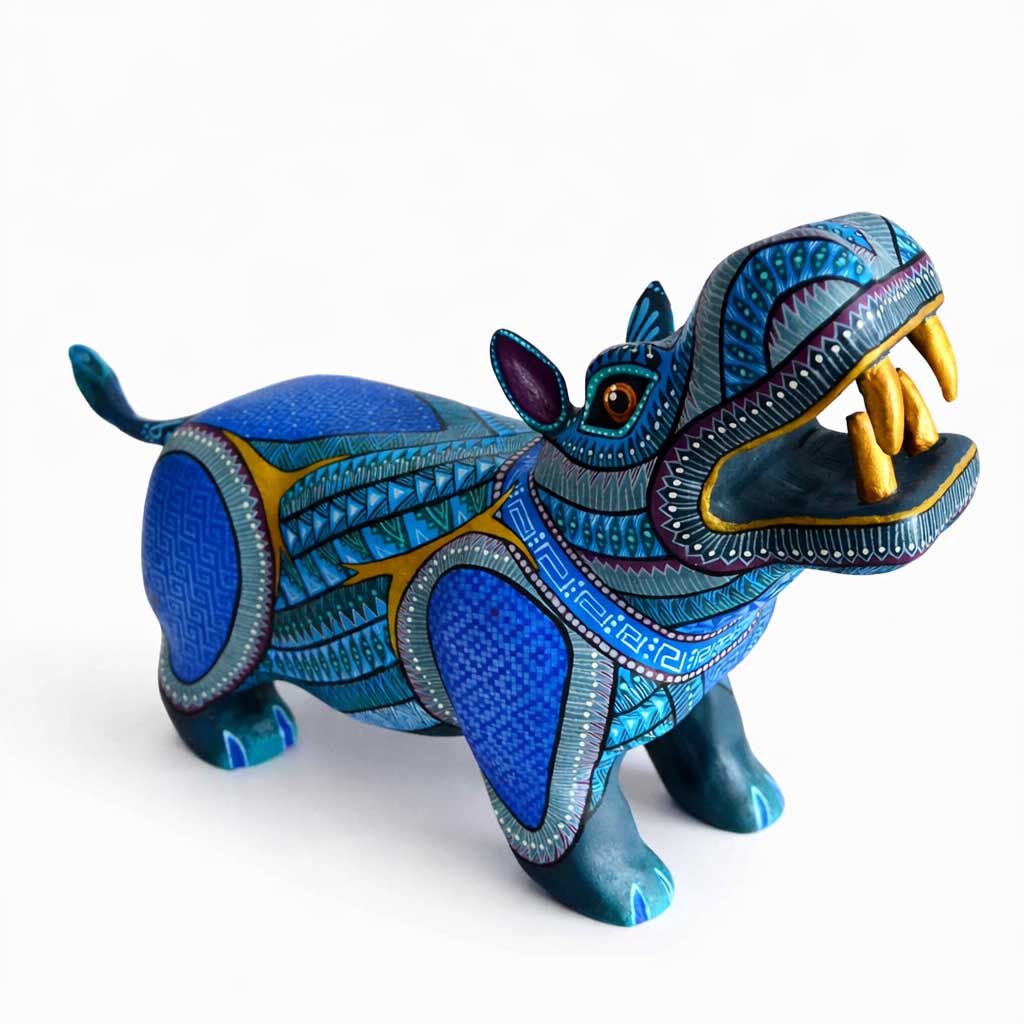
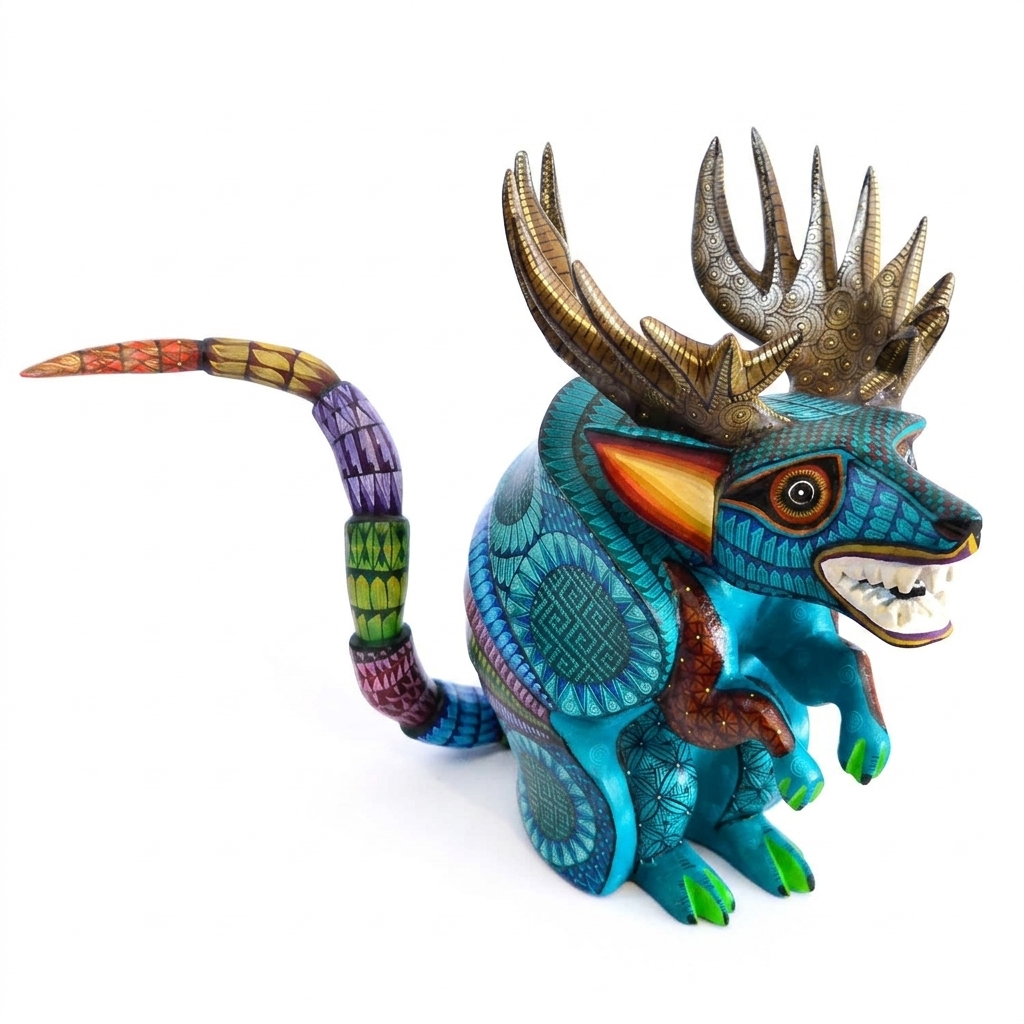
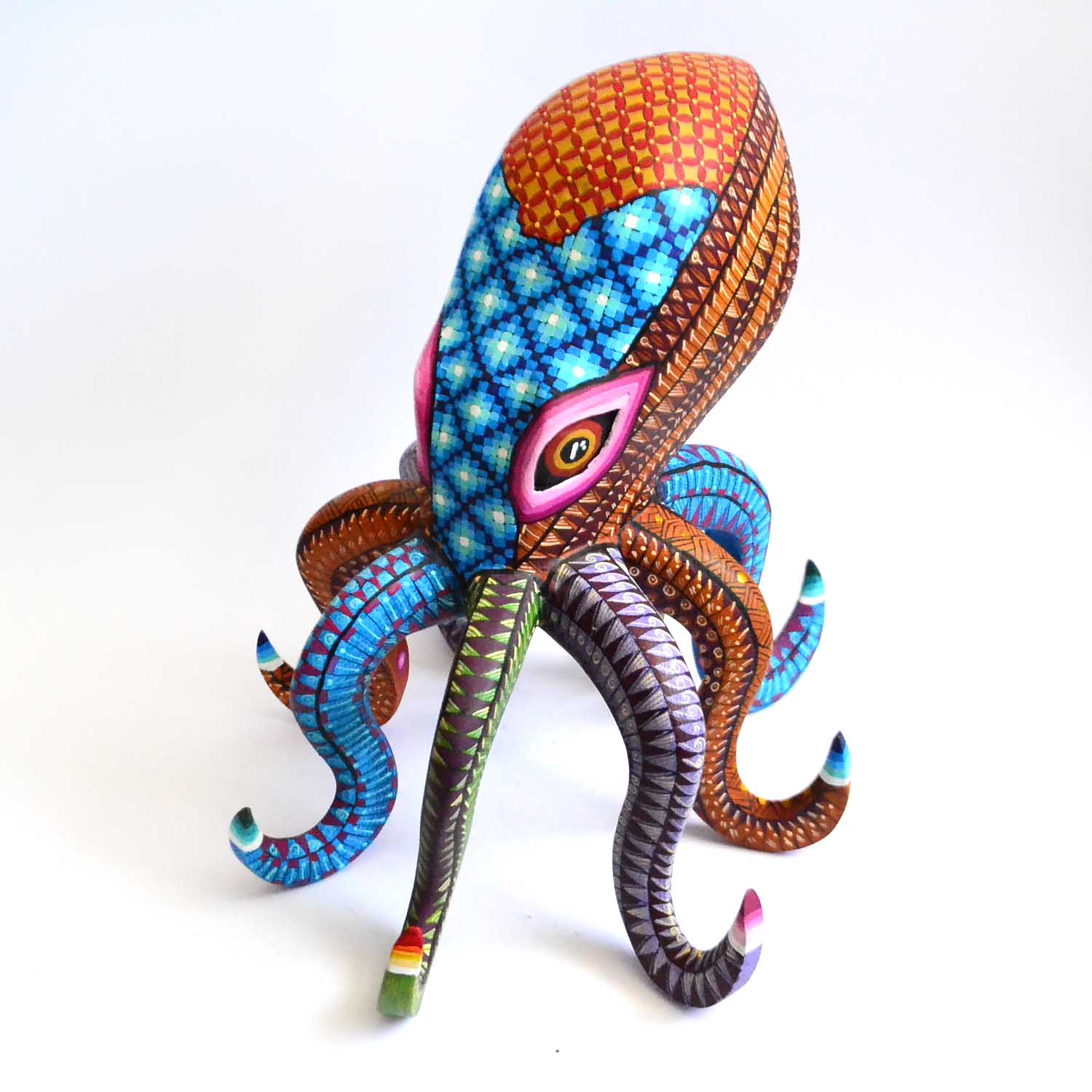
Art in Alebrijes – Pride of Mexico
If you visited Mexico and among your souvenirs you took some craft in the shape of a pig with wings or a dog with six legs and that is also painted in many colors, but you don't know what it is... It's about the famous alebrijes!. Discover here everything you need to know about this 100% Mexican craft. If you would like a premium alebrije, you can see the Pride of Mexico Collection
How are Alebrijes made?
Nowadays, some artisans extract colors from natural pigments such as lime, honey, the ground wood of the copal tree, cochineal, indigo, and lemon juice. However, in more modern times, other artisans use acrylic paint for its durability.
The history of the first Alebrijes
The first pieces were completely different from those known today, as they lacked the color and characteristic patterns of current alebrijes.
Who would have thought that Diego Rivera himself, fond of burning Judas, would go to the workshops in the area. He was attracted by the shapes of the Alebrijes creatures and he was fortunate to bring these specimens to his house and thus they obtained success among his friends and colleagues.
Little by little, the creations became more striking with impossible colors and patterns that simulated the skin of monsters, leading to what we now know as the alebrije.
In 1975, filmmaker Judith Bronowski made a documentary about Pedro Linares’s work, which led him to achieve international fame. It was in 1990 that Pedro Linares received the National Prize for Sciences and Arts in recognition of his career and his contribution to Mexican folk art.
Alebrijes today
Without a doubt, alebrijes are part of Mexico’s cultural and artistic imagination. Since 2007, the Museum of Popular Art in Mexico City has organized a parade of monumental alebrijes with the aim of promoting Mexican folk arts and culture. Pieces up to four meters high are built and paraded through the city’s historic center. This event is known as the Night of the Alebrijes.
An alebrije that is made of wood, begins with its process to give it life and shape at the right moment in which the copal wood is obtained, this is the favorite type of artisans, not only because it is traditional, but because it is soft and manipulable, which allows or that it can be worked on in a simple way before it can become rigid in a short time and cease to be useful, at least for the manufacture of alebrijes.
The wood allows the carving of hundreds of figures, ranging from strange animals, plants and humanoids, to mixtures of all giving rise to mythical creatures. Once the figure is made, the process cannot end without first beginning to give it color or to put a little color that will give the characteristics and the most important aesthetic aspect.
Usually the wooden alebrijes They are painted with colors that are very striking, each one is different from the others, even when we may think that they are similar, none of the alebrijes that are produced is an identical piece to the others, which is why they are so interesting and so valuable in an arts and crafts look. Then we will talk a little about the manufacturing process of the alebrijes using wood:
1. Prepare the wood: One of the first procedures to be carried out with copal wood consists of removing its bark. In general, a machete is used to strip the bark without damaging the piece of wood. Afterwards, once the bark is removed, the wood must be dried, then toasted and ground into powder. For artisans, this mixture is the foundation of everything, so they have their own recipes or personalized blends to create their wooden alebrijes.
2. Prepare the mixture: Once we have the wood powder, many artisans mix it with lemon, a bit of incense, and honey, not only to eliminate the smell of dampness but also to ensure that the mixture lasts longer.
3. Process: For the wood to be truly resistant, and for the alebrije obtained at the end to endure over time and survive insect attacks, it is necessary that the piece of copal wood receives a bath with gasoline. A special mixture is also applied, which is the secret of many artisans, with the purpose of immunizing the wood and preventing moths and other insects from penetrating and damaging it once it has become an alebrije.
4. Drying: The wood is bathed several times, meaning it remains submerged in these immunization compounds for several days, so in order to manufacture wooden alebrijes, it is necessary that the pieces are first dried to work on them. Once dry, it is checked that the pieces of wood are not broken or that they have some type of damage, which hinders the work, once they pass this review it is time to pass into the hands of the craftsman.
5. Manufacturing: The wooden alebrijes before being completely finished, they can remain for a long time in the manufacturing process. Many artisans spend weeks or even months with a piece of wood before giving it a final finish. When the artisan has finally polished the piece and crafted every necessary detail to achieve the desired appearance, it is then time to move on to the painting process, one of the most complex and most beautiful stages in alebrijes. This meticulous dedication in carving is what defines the value of an author’s piece; if you seek to admire or acquire works that have taken months of work under this standard of detail, we suggest exploring the collection of Authentic collectible alebrijes from Orgullo de México.
6. Painting: the painting process of alebrijes can be done in the traditional way, that is, by obtaining pigments from nature, or in the modern way, using acrylic paints, which also yield excellent results. Many artisans still produce their own pigments extracted from seeds, among other mixtures, to give color and detail to the creature that they have not yet fully brought to life. In general, the wooden alebrijes They are painted with acrylics in bright, strong colors that bring life and color.
Distribution: many of the pieces usually remain in Mexico; however, most of them are distributed around the world. Many orders are shipped to Europe, to countries such as Spain, Germany, or Finland, and many others to the United States, where the pieces are truly valuable.
Now that you know about these peculiar Mexican crafts, tell us how your invention would be if you had to create one.
✨ Discover our "Tayaupa - Corporate Gifts" collection« 🌟
Support artisan talent and connect with the essence of Mexican art!