Discover the Magic of Huichol Art: Wixarika Color and Culture
The Wonder of Huichol Art. The Huichol art is a vibrant and profound expression of the Huichol culture and beliefs of the Huichol, an indigenous group in Mexico. Known for their intricate designs and brilliant colors, this art combines spiritual symbols and natural elements, creating unique pieces that tell the stories of generations. This art is not only visually appealing, but also a sign of the Huichol's deep spiritual and cultural connection to the world around them.
A Glimpse into the History of Huichol Art: The Huichol people have maintained their artistic traditions throughout the centuries, despite great changes and challenges. Since ancient times, the Huichol have used art as a form of communication with the gods and nature. Through pieces such as yarn paintings and beaded art, the Huichol transmit their cosmovision, their rituals and their relationship with the earth, the sun, the moon and the stars.
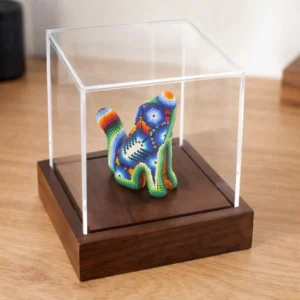
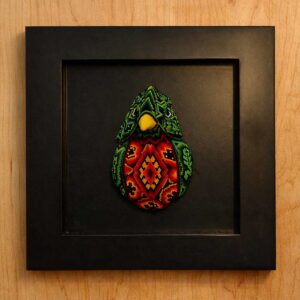
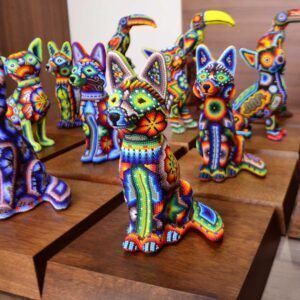
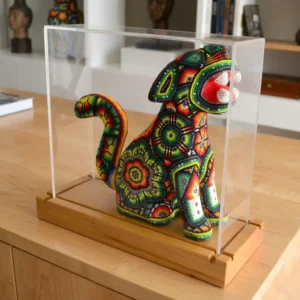
Meaning and Symbolism: Beyond the Visual each huichol art piece is steeped in symbolism. From the eyes of GodThe snakes and deer, which represent protection and wisdom, as well as the snakes and deer, which have deep spiritual meanings, the Huichol art is not only visually appealing, but also a window to the Huichol worldview. The designs of these symbols are seen in paintings, embroidery on garments and sculptures made with glass beads. Each color and pattern has its own meaning, representing elements such as water, fire, life and death. In addition, these symbols and patterns are often used on clothing and ornaments used in ceremonies and festivities, bringing an added dimension of symbolism and meaning to these artistic pieces.
Techniques and Materials: Traditions that Transcend Time The Huichol art is made using traditional techniques that have been passed down from generation to generation. The "niríka," or woolen yarn, is used to create detailed worsted squares (yarn paintings), while glass beads are used in the creation of dazzling sculptures and decorative figures. The meticulous placement of each thread or bead is a process that requires enormous patience and skill, reflecting a deep dedication and respect for tradition. Another common technique is painting on wood, in which natural pigments are used to create vivid colors and elaborate designs that tell traditional and mythological Huechol stories. These methods not only preserve cultural heritage, but also foster a strong sense of community and belonging among the artists and their families.
Huichol Art Today: Preserving the Culture Today, the Huichol art is still a vital part of the Huichol culture and a livelihood for many families. It is a testament to cultural resilience and a celebration of traditional heritage that still endures. With globalization and the rise of tourism, Huichol art has gained international recognition, bringing its intricate designs and rich symbolism to a wider audience. Through this art, they seek to create opportunities and sustainable livelihoods for Huichol communities, as well as a greater appreciation and respect for their culture and traditions. Projects and organizations both inside and outside of Mexico are collaborating with Huichol artists to promote and preserve these traditions, ensuring that future generations can continue to enjoy and practice this beautiful art.